
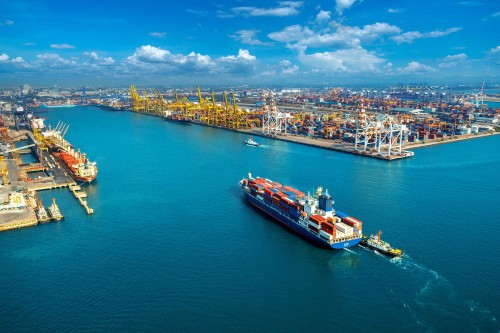
Amid escalating concerns over the European Union’s reliance on Chinese imports, EU officials are deliberating potential new restrictions to safeguard domestic industries. The discussions focus on the implications of increasing Chinese goods across sectors such as manufacturing, agriculture, healthcare, technology, and defense. The influx of affordable Chinese products has raised alarms about potentially undermining local industries and accelerating industrial decline within Europe.
The EU commissioners’ meeting addresses what some policymakers have termed “China Shock 2.0,” a phenomenon characterized by a swift rise in Chinese exports in categories including electric vehicles, industrial machinery, medical equipment, and consumer goods. While no immediate policy changes are anticipated, the talks aim to formulate a unified European strategy ahead of future high-level meetings among EU leaders.
Potential strategies under consideration include imposing import quotas, tariff-rate quotas, and other trade safeguards to shield sectors facing intense competition from lower-cost or heavily subsidized Chinese imports. Despite these protective measures, economic experts emphasize the importance of maintaining engagement with China, a significant trading partner and a vital market for numerous European companies.
Analysts highlight that China’s industrial policies continue to emphasize manufacturing expansion and technological advancement, increasing the likelihood of trade tensions with major export markets. As the EU remains a crucial market for Chinese exports, particularly in electric vehicles and advanced manufacturing, any substantial restrictions could provoke retaliatory actions from Beijing, heightening the stakes for both parties.
This development underscores Europe’s broader initiative to bolster economic resilience while navigating the complexities of its trade relationship with China. Balancing protective policies with continued bilateral cooperation will be key as the EU seeks to manage its economic future amid these challenges.
